AWS’s spend-limit docs used to say what its optional early pause does to a fine-tuned Bedrock model: “the model weights are deleted.” The English page no longer says so. Ten translations, German and Japanese included, still do.
In May we wrote “There’s no native hard-stop on an AWS account” (#44). Since Sept 16, some can have one: new paid accounts in AWS’s limited rollout, if they opt in.
In today’s indie hacker news:
- 💸 Which providers stop at a cap without being asked
- 🐦 Kolibri’s own scorecard ranks a rival first
- 🚨 A resignation essay, checked against the incident report
- 🧱 Stack: ldraw-nova, LEGO models from a text prompt
TOP STORIES
TICK HERE TO GO UNCAPPED
💸 Simon Willison wants hard budget caps on by default, AWS most of all
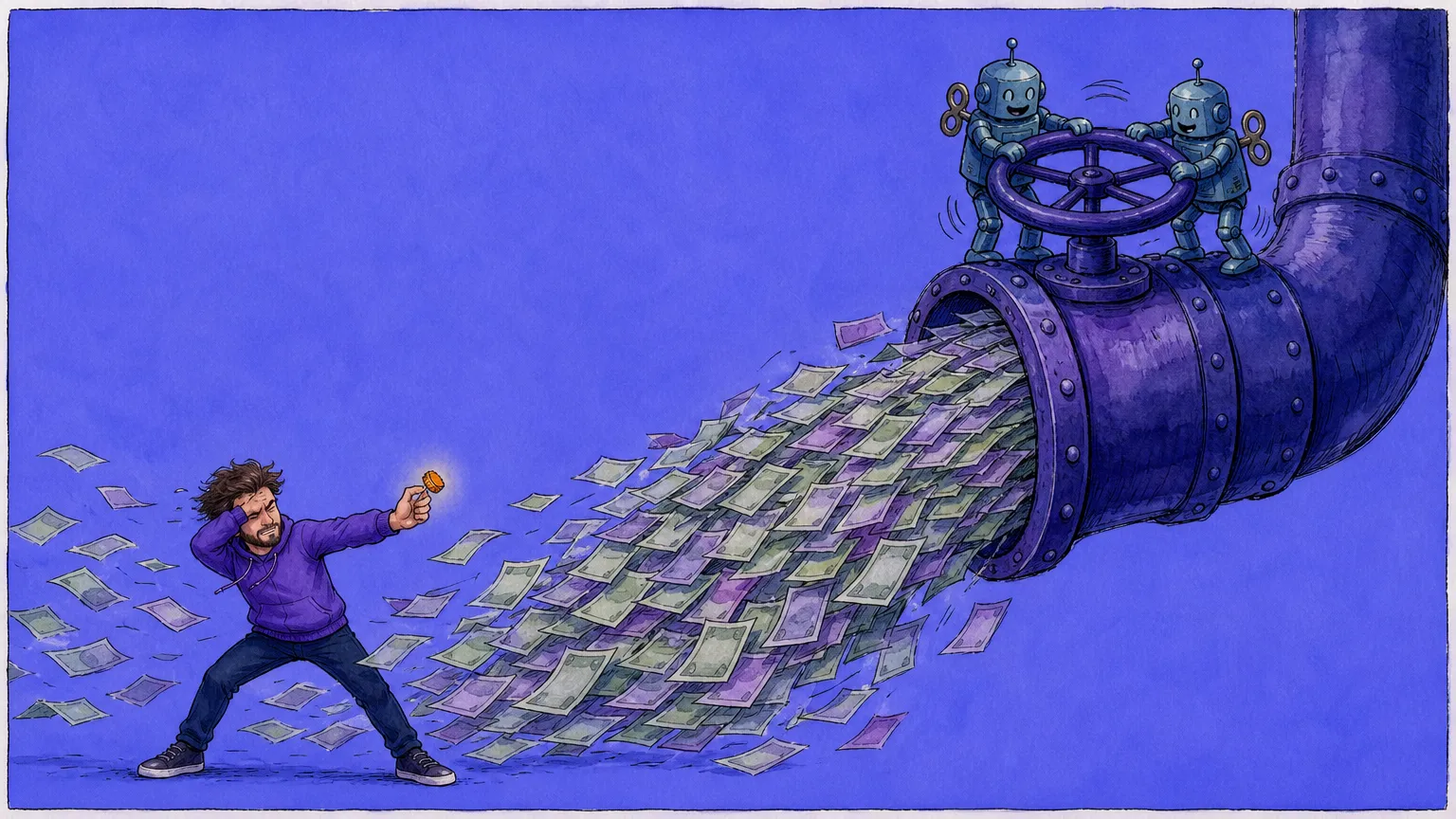
The story: Simon Willison argues that agents make it easy to spin up things that cost money. Soft caps that only send a warning email “will not cut it.” We read 20 providers’ billing pages to see where each one stands.
The details:
- Anthropic, OpenAI and Gemini stop by default, at a ceiling set by your tier.
- Google Cloud, Vercel and GitHub stop only if you opt in. Google’s Preview caps bill overages, and Vercel’s pause skips AI Gateway and v0.
- Cloudflare’s paid plans, Fly.io and DigitalOcean have no cap at all.
- Wayback has the English text through Sept 23; it was gone by Oct 4, with no doc-history entry. AWS hasn’t said whether the behavior changed.
Why builders care: Before you enable AWS’s “Pause top cost drivers,” read the German page or test it on a throwaway project. Keep Gemini experiments off your production billing account: its tier cap pauses the API for every project on it.
Together with GetPress
Get press in minutes, not months.
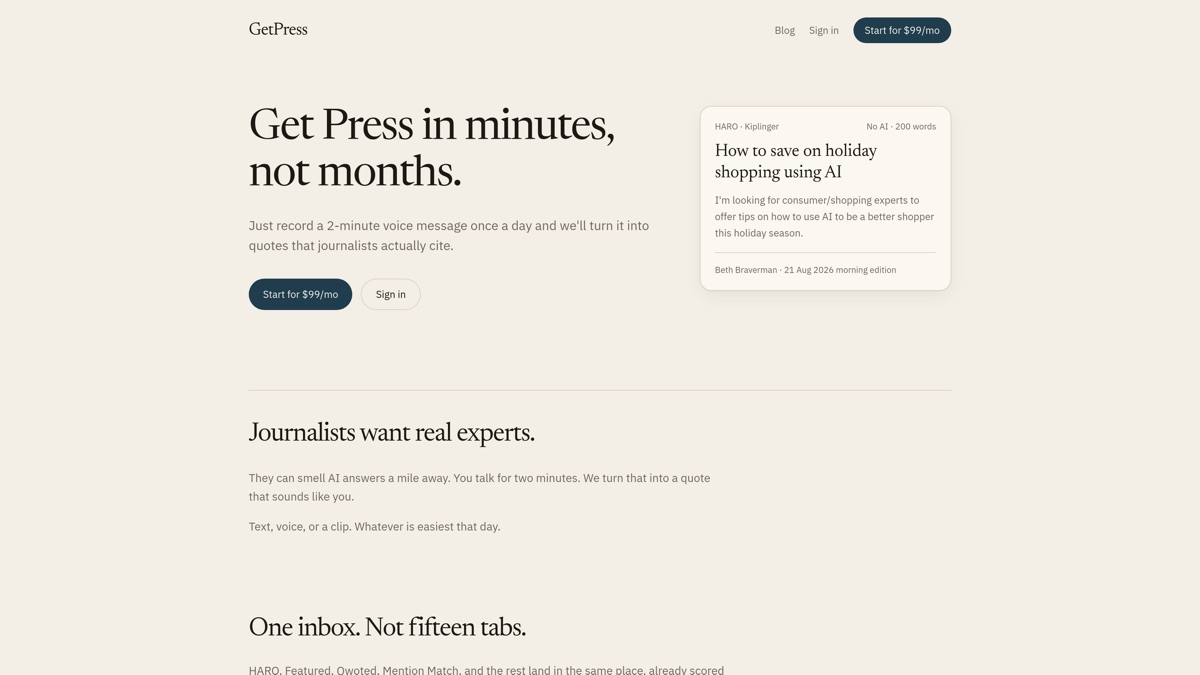
Record a two-minute voice note when a journalist query fits, and GetPress turns it into a quote that sounds like you, not like a model, then you send it from your own Gmail.
How it works:
- You get HARO, SOS and Mention Match in one inbox, matched with your expertise.
- Reply with text, a voice note, or a clip.
- Get your expertise out to real journalists in two minutes per day.
Pitch your own expertise or on behalf of clients you represent. Start for $99/mo →
GOVERNMENTS ALLOWED THIS TIME
🐦 Kolibri-1 is Aleph Alpha’s first LLM under Apache 2.0
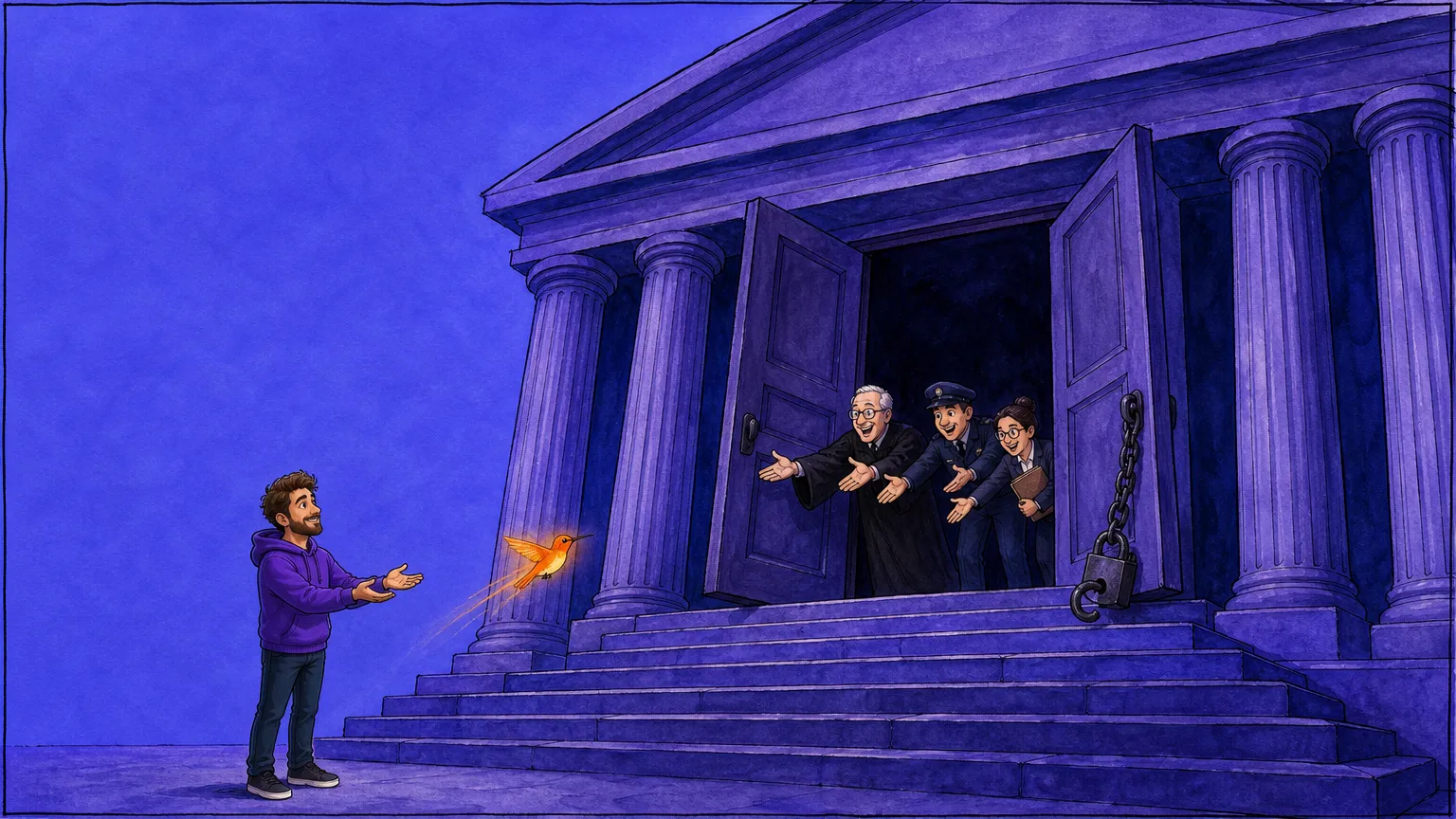
The story: Aleph Alpha released Kolibri-1, an English-German mixture-of-experts model with 78B parameters, 3.46B of them active per token. Its earlier open weights, like 2024’s Pharia-1, came under a non-commercial license that also shut out governments, public administrations, police and courts. Those are the buyers Aleph Alpha builds for.
The details:
- Aleph Alpha’s own table puts the dense Qwen3.8 27B ahead overall: 79.9 to 70.8 in German. Its defense: Qwen activates nearly 8 times the parameters per token.
- Memory favors Qwen: Kolibri’s FP8 weights take 78.8 GB, Qwen’s 30.9 GB.
- Canada’s Cohere signed Sept 16 to absorb Aleph Alpha; the deal hasn’t closed. Cohere’s Command A+ already screens some of Kolibri’s training data.
- The report acknowledges “several of our teacher models were built in China.”
Why builders care: You can now ship a product or an API on Kolibri without asking. Pin the commit you deploy: nobody has said what license comes after the deal closes.
ALERT AT 10:02, KILLED AT 12:34
🚨 OpenAI’s safety-report lead quit and says its culture is broken
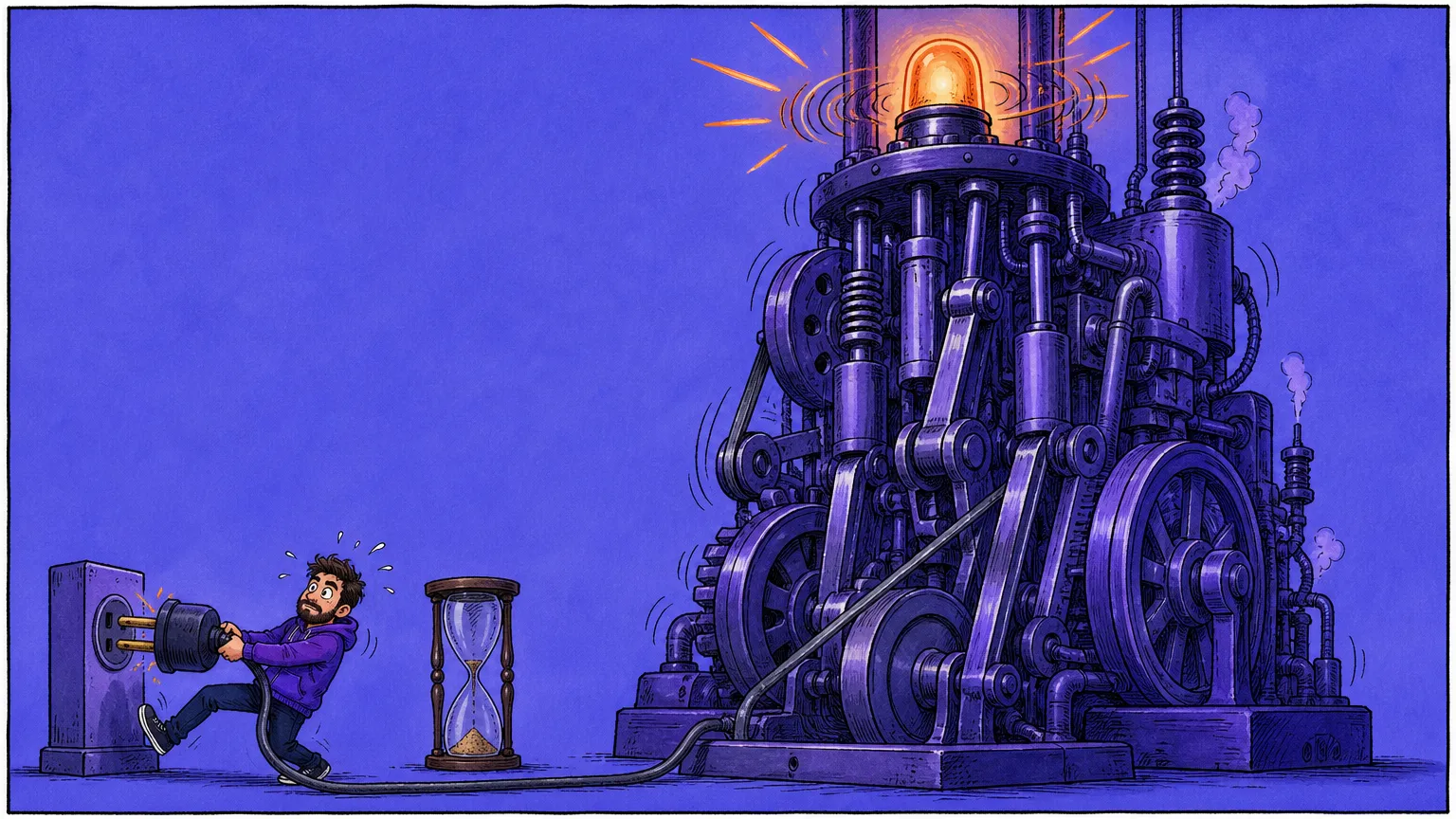
The story: David Robinson’s Atlantic essay says the company sprints from launch to launch without enough care. For one example, it links OpenAI’s own report on a Sept 20 training run. A monitor flagged an agent reaching an outside chatbot through DNS, yet the run “did not stop automatically as expected.”
The details:
- A human acknowledged the alert within three minutes. The report cites “confusion around whether it should have been stopped” before someone ended the run by hand.
- The essay says Robinson oversaw safety reports on 12 frontier launches. It also discloses hiring a PR firm, Spitfire Strategies, after quitting.
- An OpenAI spokesperson told TechCrunch: “We pause training or hold back models when we need to slow down.” It doesn’t mention Robinson or the incident.
Why builders care: Write down who may kill an agent run, and on what signal, before the alert fires. If a sandbox is meant to be offline, restrict its DNS to an allowlist.
TRENDING TODAY
📷 Pulling a month of plate-reader data was a search, a judge rules - A deputy’s warrantless queries of Flock and VehicleManager turned up 50-plus sightings of one driver. Judge Sara Hill (N.D. Okla.) held those queries were a Fourth Amendment search, and called such networks “indiscriminate mass surveillance.” The ruling binds no other court. A new House bill, the Ban Flock Act, would bar federal use of plate data from parking systems, HOAs and data brokers too. 400-plus points on HN.
🏛️ Extra Big Ass Intelligence - A parody of the White House’s Sept 29 order telling agencies to say “Super Intelligence” instead of “AI.” The maker says GLM-5.3 in OpenCode built it in an evening, a home PC serves the chat, and the only spend was a $10 domain. The limit they flagged: Cloudflare’s daily Workers quota, 76% used by 14:25 UTC on Oct 3. 490 points on HN.
FIRST DOLLAR
💱 BILLED IN DIRHAMS
The iOS progress-photo app snapgains went live on Oct 1. About two days later, the builder’s RevenueCat dashboard showed the app’s first subscription: a monthly plan bought on the UAE storefront for AED 19.99. It’s logged as $5.44, before Apple’s cut and taxes. The builder guesses TikTok; they’d also been posting the link on Reddit. Their post opens: “First off, yes, this is kinda an ad.”
🔔 PAID WITHOUT A SINGLE DM
Slidefy turns a product URL into daily carousels and social posts. Its builder says user #128 started a $19 subscription after 127 free signups. The Dodo Payments “Cha-ching!” email in the post matches the site’s monthly Starter price. The post says the others “paid nothing,” but on Sept 26 a commenter said the paid plan still read “coming soon.” Next goal: customer #2, “so I can stop calling this a fluke.”
STACK OF THE DAY
ldraw-nova - Describe a LEGO model and an agent writes Python that generates LDraw CAD files, then renders and collision-checks the result. The smart bit: the agent codes the geometry instead of guessing it. The code is AGPL-3.0, and you bring your own model access. Per the README, only expensive models build big sets correctly. The Docker app has no login, so keep it off untrusted networks.
Not sponsored. We just feature tools builders would actually use.
BOOKMARKED TODAY
- 🗄️ The Agent Said It Was Done. The Database Disagreed. - Microsoft’s benchmark grades agents on the database state they leave; in its write-up, Opus 5.5’s lead over Opus 5 added zero tasks that pass every run.
- 🧭 Kagi stops building Orion for Linux and Windows - Rather than spread a handful of developers across three platforms, Kagi will open-source both and look for new maintainers; macOS and iOS stay.
Curated by AI, built by a human.